Enter magical worlds of intrigue and romance
Experience stories that take you on new adventures and warm your heart.
My Books
A glimpse into stories of love and heart, check out my portfolio for a list of books.
Historical Western Romances
Time Travel


Romantasy
Science Fiction
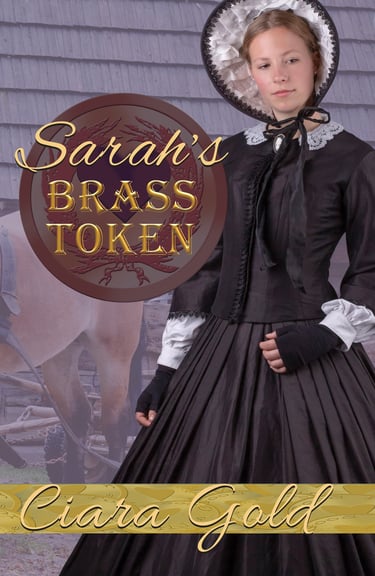
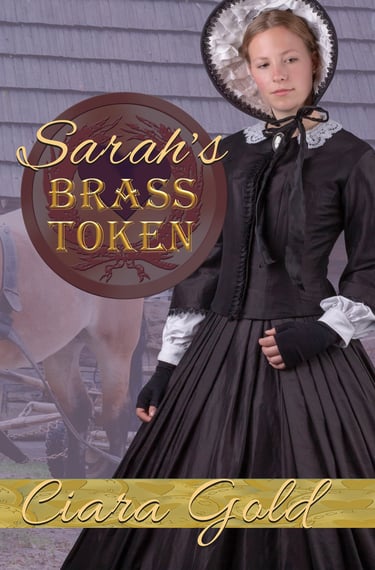
Sarah's Brass Token: Striving to make ends meet after her brother is hung for murder, Sarah Jones is determined to make it on her own. After losing everything to war, Tabor Nolan yearns for family and a home. Can two lost souls discover love on a rural farm in Banjo, Texas?
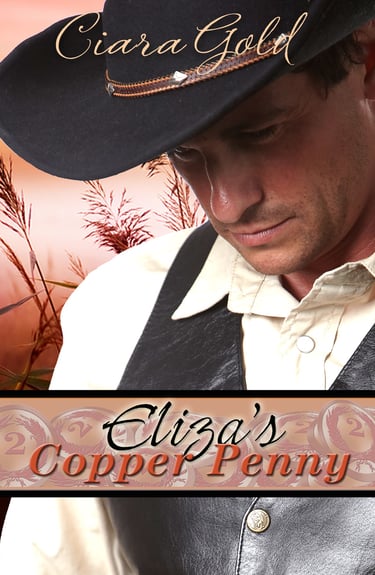
Eliza's Copper Penny: Eliza has been hiding from a past she'd rather forget, but a chance newspaper article promises discovery from a powerful foe. Salvation comes when two of her students bring a wounded man to her home. Can she open her door and her heart to the man who can unlock secrets she’s held for three long years?


Julia's Golden Eagle: When the only daughter of a Brownwood’s local cattle baron allows a stranger to take the blame for a murder she thinks she committed, she orchestrates a jailbreak. While Jake holds Julia captive to discover the truth behind the charges, Julia’s seductive charms imprison his heart.
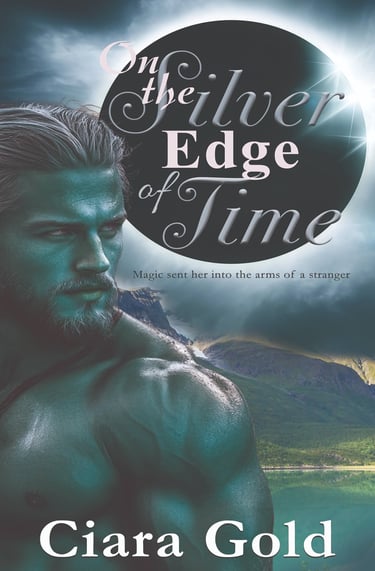
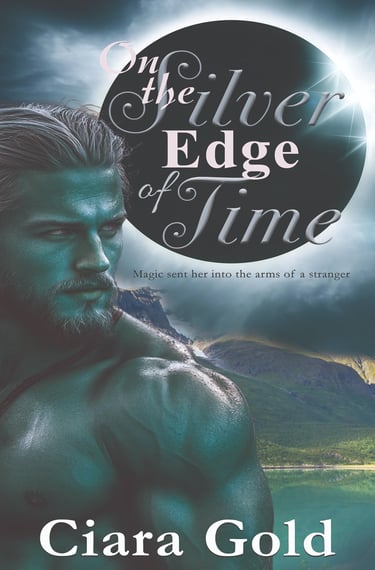
On the Silver Edge of Time: Erik Lotharsson is sent forward in time to find the mate his people have chosen. He has no idea the journey he travels will be one of heart and soul. Nor can he imagine the trials he must face in taming a modern woman to his point of view.
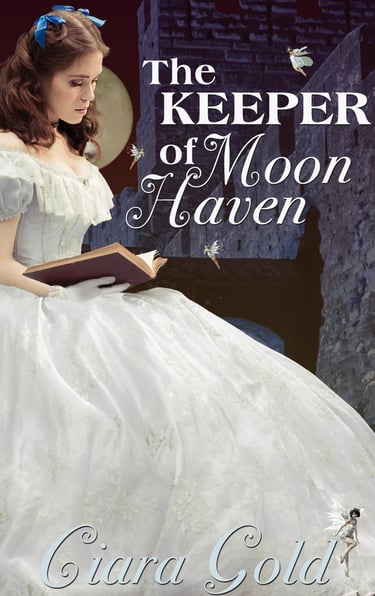
The Keeper of Moon Haven: Noreen Willshire discovers more than fairytales hidden between the pages of Beletania’s Diary. She opens the ancient book and finds a pathway to a Faery Realm where she meets a mystical wizard. Torn between her desire to make a new life for herself in America and her growing love for the Keeper, she must bridge the gap between magic and time to follow her heart.



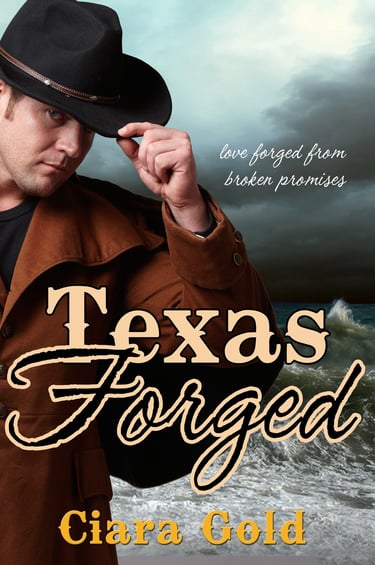
Texas Forged: Blacksmith, Galin Walker has a knack for predicting the weather, but he can’t predict the storm about to invade his heart. Telegrapher, Aubrey Caine’s search for her absent husband leads her straight into the arms of a man with a shady past and secrets that haunt him. Together they forge a bond that will endure the forces of nature and a con man’s cruel swindle.
Kaitlin's Silver Lining: Kaitlin Kanatzer receives threatening letters that promise dire consequences if she doesn’t stop her suffragist activities. When Bryce Stanton becomes guardian to an eleven-year-old hoyden, he seeks help from the girl’s aunt Kaitlin, never realizing the danger he must confront. Through many trials, he discovers more than a desirable woman; he discovers his equal.
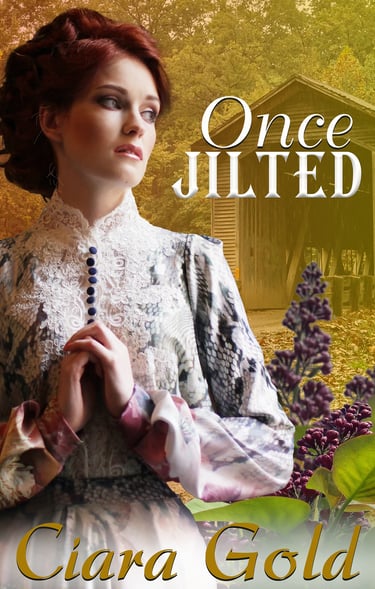
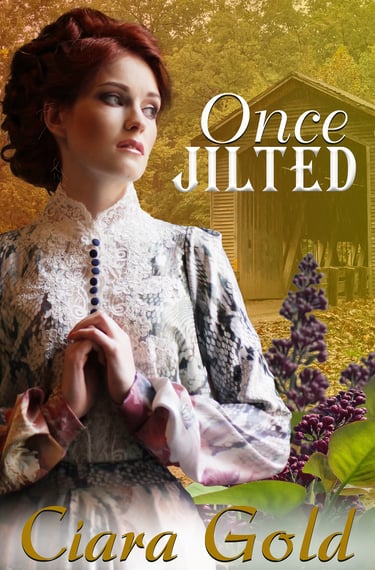
Once Jilted: Shauna Joyce has three weeks to find a husband or face watching a special little girl fall into the hands of loveless parents. An orphan herself, she knows the heartache of growing up without love. Armed with a need greater than her own, she finds a likely candidate in bridge-builder, Kane McKenna only he’s not sold on the idea.
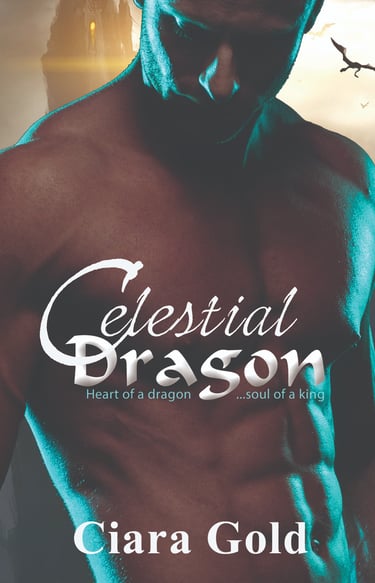
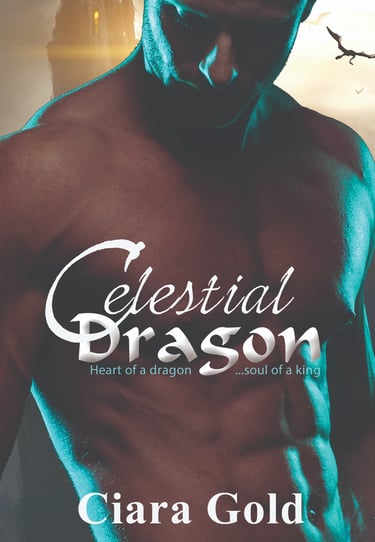
Celestial Dragon: When ZAN DANE, ruler of Pelicosia, finds ninety-five women for his men, he never dreams of finding his own mate. An outcast for her unbelievable powers, Chelian Kar has no hope of finding a mate until Zan Dane soars into her life.
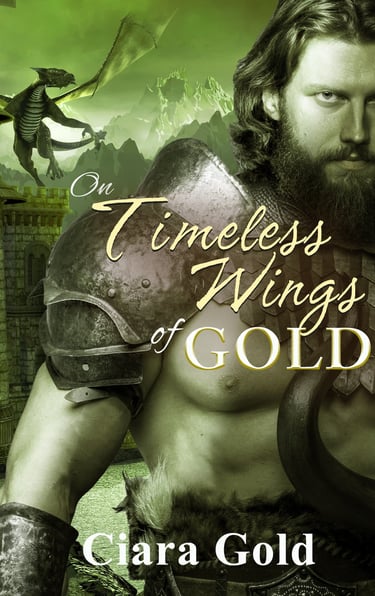
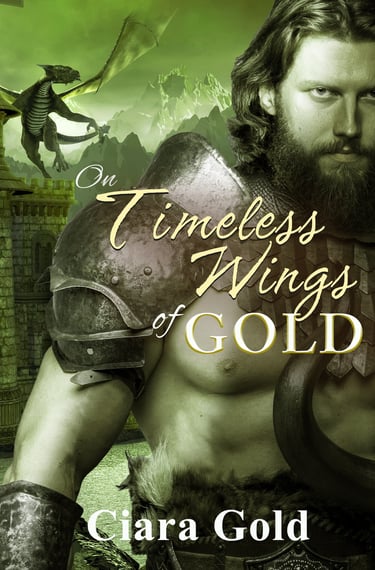
On Timeless Wings of Gold: An eclipse yields a powerful force, an energy that can be harnessed by those with magic in their souls. On such a day when the sun disappears behind the shadow of the Earth, a mighty wizard evokes the elements of nature. With ancient, Celtic incantations, he sends an angel upon the wings of time to tempt a fallen king.
The Rose Hunter: Lucian Willshire is plagued by thoughts of a fae world and the disappearance of his aunt some nineteen years past, but when he returns to Hamingjur Castle, he stumbles into Alfheim Haven once more where mystical beings become more than a distant memory. Will the hunt for the magical rose lead to riches of the heart?
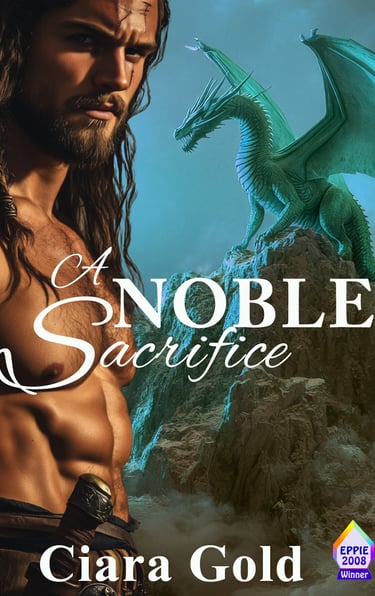
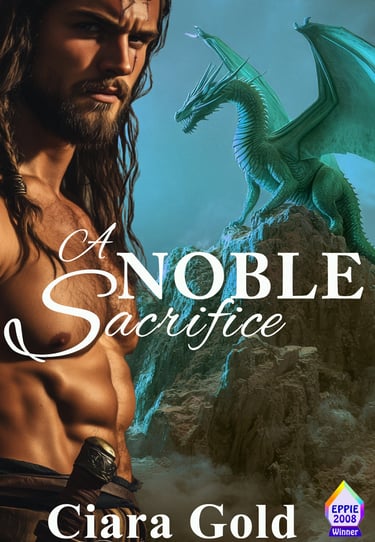
A Noble Sacrifice: Fen Tared Charst has betrayed his brother, and his people. To right the wrongs he’s done, he suffers the horrors of the zeel pits only to find himself a captive of the Temi tribe. In Yalfar, he discovers that leading the Temi princess and her warriors from their dying world is the key to his redemption. But losing his heart to Princess Joyella will be the key to saving his soul.
My Journey
Several heartfelt novels later with more to come, each story reflects a piece of my soul and the love I hope to share with readers everywhere.
Books
Crafting Romance
Every character is born from real emotions and moments. You can find most of the historical western books on Amazon, but as I'm reworking the others, it might be this summer before you find the science fiction, time-travels and fantasies.


Readers Love
Heartfelt stories that stay with you.
A refreshing paranormal romance that reads like a perfectly blended historical, suspense, and fantasy fairy tale, KEEPER OF MOON HAVEN will easily appeal to lovers of all genres. Although this is my first introduction to Ms. Gold's work, I have already added her other novels to my Christmas list!"
Chris from Romance Junkies, Dec, 2010


Gold kicks off an exciting new series with a beautifully written romantic fantasy (Celestial Dragon). Her finely detailed world produces vivid images, and the gripping plot is full of drama and passion, complete with dragons and shapeshifters. Complex characters evoke intense emotions. Readers will ache for a happy ending and eagerly anticipate the next adventure


Gail P. from RT Reviews, Aug 2007
★★★★★
★★★★1/2
Join Us
Get exclusive updates and sneak peeks